Butcher Paper vs Parchment vs Foil
By the team at Shop Butcher Paper ·
Every kitchen has all three on the shelf, and most reach for the wrong one at least once a week. This is a plain comparison of what each wrap does with heat, grease and moisture, and which one to grab for each job.

Three wraps that do three different things
Butcher paper is a 40 lb uncoated sheet, pink, white or brown. It breathes, it absorbs, and it tears by hand. Parchment is a thinner paper with a silicone finish that food will not stick to. Foil is a sheet of aluminum that blocks everything: air, water, grease and light.
None of them is better in general. Each wins a specific job. The confusion comes from treating them as interchangeable because they all come on a roll.
Thickness tells part of the story. Butcher paper is the heaviest of the three by hand feel, parchment is the thinnest, and foil tears with the least force. That order explains most of what follows.
Heat: which wrap goes where?
Foil takes any heat a kitchen can produce, including a broiler and direct flame. Parchment is made for the oven and holds up to the 400s°F for baking. It browns at the edges and should not touch a heating element.
Butcher paper lives in the smoker, at 225 to 275°F, for hours. It is fine in a low oven for holding. It is not a lining for a hot sheet pan under the broiler, and it is not for the grill grate. Waxed white butcher paper stays away from heat altogether.
- Foil: broiler, grill, oven, smoker, open flame
- Parchment: oven to the low 400s°F, steaming, baking
- Uncoated butcher paper: smoker and low oven, 225 to 275°F, hot holding
- Waxed butcher paper: cold and warm food only, no oven, no smoker
Grease: which wrap holds it?
Foil holds everything; grease never gets through. Parchment resists grease well because of the silicone, which is why it lines a pan under bacon or a tray of fried chicken.
Uncoated butcher paper absorbs. Fat wicks into the fiber and the sheet goes dark and translucent, yet it keeps its strength for the length of a cook. On a sandwich or a steak in the case, that absorbency is a feature: it pulls surface moisture off the meat. Waxed white resists grease the way parchment does, for a few hours at least.
A comparison from a sandwich counter: a hot pastrami on uncoated white shows a grease ring in ten minutes, on waxed white in an hour, on parchment in two, and on foil never. Pick by how long the sandwich will sit.
Moisture and breathability
This is where the three split most. Foil is a sealed container. Whatever steam the food gives off stays in, condenses, and runs back over the surface. Parchment is semi-tight: steam escapes at the folds but not through the sheet.
Uncoated butcher paper is open. Water vapor moves through the fiber, so the surface of wrapped meat dries a little while the inside keeps cooking. For a fish fillet you want to steam, that is wrong. For a brisket, it is exactly right.
The same rule applies to bread. A loaf wrapped in paper keeps a crust; a loaf wrapped in foil goes soft by morning. Meat is bread with more fat.
Bark: what each wrap does to the crust
Bark is dried, rendered, smoke-stained surface. Keep it dry and it stays crisp. Wet it and it goes soft. Foil wets it in under an hour. Parchment does less damage, but the silicone side still traps more steam than paper, and parchment is thin enough to split on a packer.
The difference shows on the slice. A paper-wrapped brisket has a thin, dark, chewy edge. A foil-wrapped one has a soft rim that slides off with the fat cap.
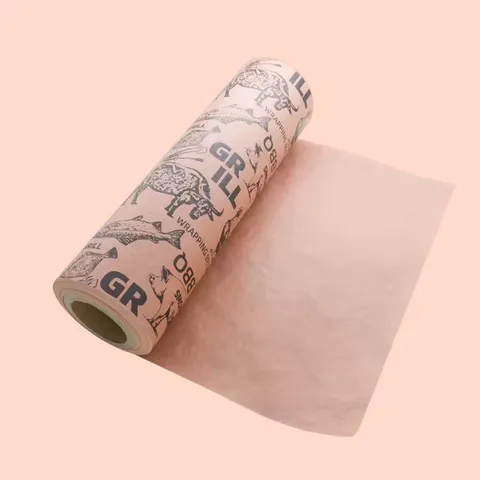
Pink butcher paper is the wrap built for the crutch, because it lets the crust keep drying through the stall. The full method, with the fold and the rest, is in the brisket and ribs wrapping guide.
Oven use: lining, baking and holding
For baking and pan lining, parchment wins outright. Butcher paper is not nonstick, so a cookie or a roasted root will grab it. Foil works as a pan liner but sticks to sugar and to cheese.
For holding cooked meat in a low oven or a warming cabinet, butcher paper is the better wrap. It keeps the surface from going soggy over a long hold, which matters for a catering job plated two hours after the cook. Foil is the pick when you want to keep a pan of beans or mac from drying out.
One more oven case: a tray of ribs held after the cook. Loose butcher paper over the top keeps them from drying without steaming them, where foil crimped tight turns the glaze to syrup.
The cost of waste
Count square feet per job, not price per roll. A brisket wrap in paper takes two sheets about four feet long. A brisket wrap in foil usually takes two layers of heavy foil plus a third because the first tore on a corner. Greasy foil cannot be lifted and reused.
Parchment is cheap per sheet but thin, so a wrap that would be one piece of butcher paper is often two or three pieces of parchment. Add the time to re-wrap a split sheet and the cheapest roll is rarely the cheapest job. Rolls of butcher paper are priced on the written quote, so ask for the sizes you actually cut.
Then there is the trash. Paper soaked in fat goes in the bin as a compact ball. Foil springs back open, takes three times the space and cannot be crushed flat without a fight. On a catering truck, bin space is a cost too.
Job-by-job: which wrap to pick
Find the job and read the pick. Where two wraps tie, the first one is the one we would use.
| Job | Pick | Why |
|---|---|---|
| Brisket or pork butt at the stall | Pink butcher paper | Breathes, keeps the bark, soaks the fat |
| Ribs for a short wrap | Pink butcher paper, or foil if you want them to fall apart | Paper keeps bite; foil steams them softer |
| Resting meat for an hour or more | Butcher paper | Holds heat without wetting the crust |
| Hot sandwich to go | Waxed white butcher paper | Holds sauce and grease off the bag |
| Cold sandwich or deli wrap | Uncoated white butcher paper | Clean look, easy to fold, prints well |
| Steak in the display case | Pink butcher paper | Hides grease, lifts surface moisture |
| Baking cookies or roasting vegetables | Parchment | Nonstick and oven safe |
| Fish or vegetables steamed in a packet | Foil, or parchment for the oven | Seals the steam in |
| Pan of sides held on a buffet | Foil | Blocks evaporation |
| Table cover for a crawfish boil | White or brown butcher paper | Wide rolls, tears off and rolls up with the shells |
| Grilling directly over coals | Foil | Paper and parchment burn on the grate |
Can you combine them? Yes, and some of the best results come from a pair. A foil boat under a paper-wrapped brisket catches the juice that would otherwise soak the cooler towel. Parchment under butcher paper on a sheet pan keeps a sticky glaze from grabbing the paper.
The reverse pairings fail. Paper over foil does nothing, because the foil already sealed the meat. Foil over paper wastes the paper, because the foil seals it anyway.
How to choose in four steps
- Ask how hot. Flame or broiler means foil. Oven baking means parchment. Smoker or hot hold means uncoated butcher paper.
- Ask whether steam should get out. Out means butcher paper. In means foil, or parchment for a packet.
- Ask whether the food will stick. Sticky and hot means parchment. Meat and bread do not need nonstick.
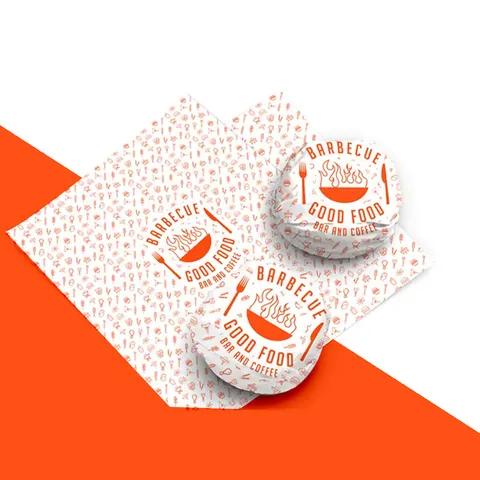
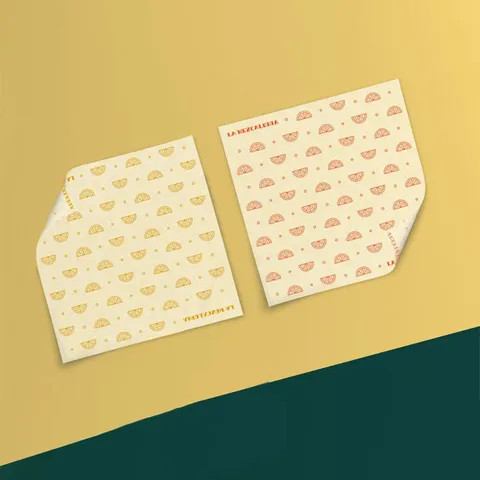
- Ask what the customer sees. If the wrap is the package, pick the paper that takes a logo and order it printed from the printed butcher paper range.
Which butcher paper to order for the jobs above
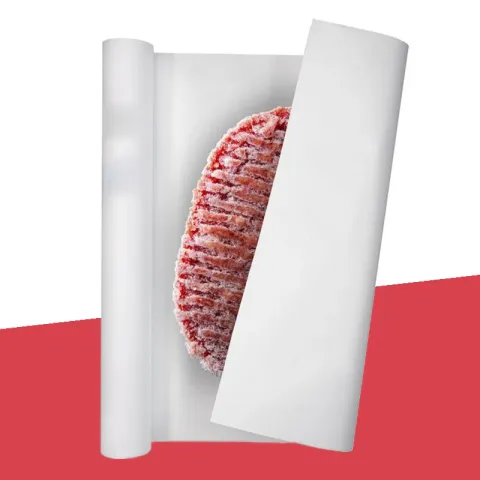
Smokers and steak cases want pink. Sandwich counters want white, waxed for hot and uncoated for cold. Table covers and tray liners usually go brown or white.
Rolls come in 18 to 48 in widths and sheets from 12 x 12 in to 24 x 36 in. Plain paper needs no proof and ships 4 to 6 business days after the quote is accepted, free and tracked to any US address. The pink butcher paper rolls are the usual first order for a pit.
Papers in this guide
Questions about this guide
Can butcher paper replace parchment paper for baking?
No. Butcher paper is not nonstick, so dough and roasted food grab it. Keep parchment for the oven and butcher paper for meat.
Is parchment paper or butcher paper better for wrapping brisket?
Butcher paper. Parchment traps more steam at the silicone face and is thin enough to split on a full packer.
Does foil or butcher paper cook brisket faster?
Foil, by an hour or so, because it seals the steam. Butcher paper is a little slower but keeps the bark crisp.
Can I put butcher paper in the oven?
Uncoated pink, white or brown is fine in a low oven for holding, around 225 to 275°F. Keep it off the broiler and away from the element.
Does grease soak through butcher paper?
Yes, uncoated butcher paper absorbs fat and goes translucent where it sits, but it stays strong. Waxed white resists grease for several hours.
Why is butcher paper breathable and foil is not?
Butcher paper is uncoated fiber, so water vapor passes through it. Foil is solid metal and lets nothing through.
Can I wrap ribs in foil then switch to butcher paper?
You can, but it does little. The foil has already softened the bark, so the paper has no crust left to protect.
Is waxed butcher paper the same as parchment?
No. Waxed paper carries a wax that melts under heat, while parchment carries silicone that takes oven temperatures.
Which wrap makes less waste on a brisket, foil or butcher paper?
Butcher paper. Two paper sheets cover a packer, where foil often takes two layers plus a replacement for the one that tore.
What butcher paper width do I need as a table cover for a boil?
A 36 or 48 in roll covers a standard table in one pass. The butcher paper table covers come in both.
Something else? Ask us on WhatsApp or call (503) 461-4788.
Tell us what you wrap
Send the paper, a size and a quantity, plus a logo if you have one. We reply in writing within one business day with a price and, for printed paper, a free design proof. Prefer to talk? Call (503) 461-4788 or message us on WhatsApp.